A Practical Guide to The Downs: Geography, Trails, and Local History
Explore the geographical features and cultural tapestry of places known as “the Downs.” This guide introduces key regions, notable trails, and historical contexts to help readers plan visits or deepen their regional knowledge. Drawing on the enduring allure of chalk uplands, grassland plateaus, and the communities that have shaped them, The Downs emerges as both landscape and legend—a living map of geology, climate, and memory.
Introduction to The Downs: A Geographic Mosaic
The term “the Downs” travels across Britain and beyond, evoking rolling chalk hills, expansive pasture, and skies that have witnessed countless generations of travelers. In the most widely recognized manifestations, the South Downs and the North Downs form a sweeping arc of chalk escarpments and serene vale. The South Downs rise as a dramatic chalk escarpment along the English Channel, offering sea views, ancient turf, and a mosaic of rare grasses and orchids. The North Downs, by contrast, chart a higher, more wooded plateau that threads through historic market towns and chalk streams. Together, they sketch a coastline-to-heartland corridor that has shaped settlement patterns, agrarian life, and routes of pilgrimage for centuries.
The downs are more than topography; they are a study in contrasts—open uplands and sheltered dells, wind-burnished ridges and quiet valleys, side-by-side with hamlets, abbeys, and long-distance paths. Chalk soils give rise to specialized flora—the lavender-lace of wildflowers in late spring, the resilient grasses that sway with the gusts from the Channel. Hidden streams carve the chalk, drawing life into hollows and chalk streams along ancient lanes. These landscapes have been painted by artists, chronicled by historians, and traversed by hikers seeking a sense of timeless scale.
This guide seeks to frame The Downs as a living archive: geographic features that define climates and microhabitats, trails that stitch together trodden routes with local lore, and historical moments that continue to echo in regional festivals, naming, and collective memory. The Downs invite not just a walk, but a listening—an opportunity to hear the seasons rhythm, the birds, the wind, and the stories of people who have forged a life on the edge of chalk.
Trail-Focused Overview: Popular Routes, Terrain, and Practical Tips
Walking The Downs is a study in balance: legible paths, formidable ascents, and rewarding vistas. The routes vary from gentle ridge walks to longer treks across multi-day itineraries. Terrain shifts with elevation and exposure; some sections present chalky scree that demands careful footing, while others unfold along chalk escarpments where hedgerows and wildflowers offer seasonal color.
-
South Downs Way: A classic crossing of the southern coast, weaving along sea-breeze cliffs and rolling chalk downs. Expect expansive views, limestone outcrops, and a palette of grassland flora. Plan for seasonal weather, sturdy footwear, and opportunities to rest in village inns or pubs along the route.
-
North Downs Way: A more inland journey that traverses timber-fringed slopes, chalk hills, and historic routes linking ancient villages. Elevation changes offer both challenge and reward, with forests and hedges providing shade on warmer days.
-
Regional Loop Trails: Smaller circuits that highlight local ecosystems, such as river valleys, chalk streams, and woodland edges. These loops are ideal for day trips, family-friendly explorations, and micro-adventures that reveal the Downs’ intimate scale.
Practical tips for planning walks include studying tide schedules for coastal sections, checking weather patterns that sweep from sea to land, and choosing footwear that grips on chalky surfaces. Travelers should pack layers, a light rain shell, and a compact map or digital guide. For those seeking a deeper experience, consider pairing a hike with a visit to a local museum or archive to connect landscape with lore—an approach that reveals how The Downs have shaped literary works, folk songs, and regional identity.
Historical Snapshots: Settlement, Folklore, and Cultural Ties
The Downs have served as a stage for human activity since prehistoric times. Burial mounds, barrows, and ancient field systems hint at early communities that recognized the upland’s sheltering winds, well-drained soils, and strategic vantage points. In medieval and post-medieval periods, downs and their surrounding valleys became loci of pastoral economies, with shepherding, grazing rights, and seasonal migrations shaping village life.
Folklore and literature have long celebrated The Downs as a place of constancy and change. Local legends about chalk figures, seasonal rites, and migratory birds thread through regional storytelling. The landscape also inspired artists and poets who found in the pale, sunlit chalk a canvas for mazes of light, shadow, and memory.
To deepen understanding, readers are invited to explore regional archives, parish histories, and archaeological reports that illuminate how The Downs shaped language, place-names, and cultural practice. The convergence of natural history and human history in The Downs makes it a compelling case study for how landscapes function as living archives.
Sir Richard Colt Hoare (1748–1838)
A pioneering antiquarian whose fieldwork across southern England helped weave the Downs into a narrative of national history. Hoare’s meticulous cataloging of landscapes, monuments, and place-names created a framework for future generations to interpret the region’s layered past.
Mary Elizabeth Bird (1820–1905)
A naturalist and writer who documented chalk grassland ecosystems, birds, and seasonal cycles along the Downs. Her field observations bridged local knowledge with emerging scientific methods, enriching both regional appreciation and broader natural history.
Dr. A. E. H. Williams (1865–1942)
A geologist whose mapping of chalk formations and paleontological findings offered a structural lens on The Downs. Williams’s work connected geomorphology with the region’s living landscapes, reinforcing the idea that geology shapes ecology, weather, and human settlement patterns.
These figures, spanning three centuries, illustrate how The Downs have attracted scholars, scientists, and observers who recorded landscape, life, and learning. Their legacies endure in modern conservation efforts, hiking guides, and regional storytelling that celebrates the Downs as a shared heritage.
The Downs as a Living Archive: A Cosmopolitan Perspective
While The Downs are often read through a local lens, they also speak to global themes: the interaction of geology and climate, the preservation of biodiversity on fragile chalk soils, and the social importance of landscapes that anchor regional identity. The Downs remind travelers that nature is not a backdrop but a collaborator in culture—shaping routes, rhythms, and relationships.
Contemporary visitors can engage with these landscapes by combining physical exploration with archival inquiry: tracing old routes on maps, reading local histories, and speaking with land stewards about conservation priorities. This approach yields a more nuanced picture—one that honors both scientific understanding and the enduring human affinity for place.
Practical Guide: Planning a Downs-Inspired Visit
- Choose a region and trail segment that matches your fitness and curiosity. The South Downs offers dramatic coastal panoramas; the North Downs invites forested uplands and quiet lanes.
- Check seasonal conditions. Chalk surfaces can become slick after rain; wind on exposed ridges can be brisk. Pack layers, a rain shell, and reliable footwear designed for uneven ground.
- Study local histories. Seek out parish chronologies, archive catalogs, and regional museums to connect the landscape with stories of agriculture, migration, and community life.
- Respect the environment. Stay on marked paths, avoid disturbing wildlife during sensitive seasons, and carry out your trash. Leave-no-trace practices help preserve the Downs for future visitors.
A Study in Comfort: The Silk Blanket as a Cozy Companion
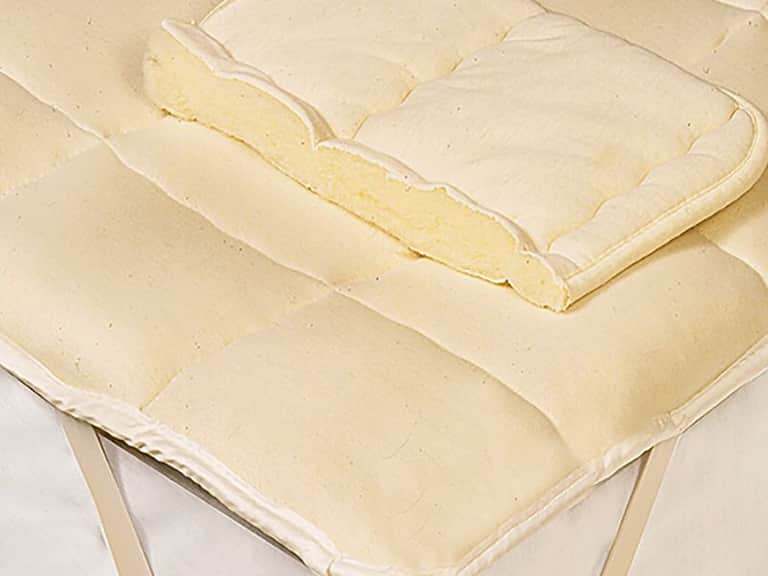
In exploring The Downs, on cool mornings or windy cliff paths, travelers often seek warmth without bulk. The Downtown Company Silk Blanket embodies a refined balance of warmth and breathability. Crafted from 100% silk, it offers a lightweight, temperature-regulating layer that performs across the seasons. Its lack of dyes or bleach preserves a natural color that harmonizes with the landscape’s pale chalk tones and the soft greens of coastal hedges.
This blanket’s silk fibers trap air to provide warmth in colder months while enabling moisture to escape in warmer weather, yielding a comfortable microclimate beneath an open sky. Hypoallergenic by nature, it resists mold and mildew—an advantage in damp, sea-influenced environments. The satin binding adds a quiet sheen and durability, making it a long-lasting companion for chilly dawns on the downs or evenings in a cottage porch.
For readers desiring a tactile example of Downs-inspired comfort, consider the Downtown Company Silk Blanket as a premium reference point for how landscape-informed materials translate into daily life. It stands as a bridge between the outdoor environment and the indoor refuge a traveler seeks after a day of exploring chalk ridges and hedgerow lanes.
Product spotlight: Downtown Company Silk Blanket
Silk blanket, 100% natural silk, satin binding, natural color, hypoallergenic.
Queen: 96" x 93", King: 114" x 93"
Conclusion: The Downs as a Global Lens
The Downs offer more than a physical expanse of chalk and grass; they are a lens through which landscapes, histories, and human voices mingle. From prehistoric barrows to modern long-distance trails, from geological layers to local legends, The Downs remind us that geography is not a backdrop but a living, evolving conversation. By walking these routes, readers and travelers alike participate in a shared narrative—one that honors the land while inviting curiosity about the people who have lived, studied, and celebrated it for millennia.
Further reading and exploration
To deepen your understanding, consider exploring regional maps, natural history texts, and local archives. The Downs are a dynamic archive—where geology, ecology, and culture intersect in a landscape that invites both observation and stewardship.
If you’d like, I can supply a sample content outline for the next set of articles, a quarterly editorial calendar, and a keyword map to help with SEO and discovery, all tailored to The Downs identity.
Categories
- Bedding
- Pillows
- Sheets
- Comforters
Related Keywords
- The Downs
- South Downs
- North Downs
- Geography
- Hiking trails