Bedding guide
Silk Comforters: A Guide to Lightweight, Year-Round Warmth
A silk comforter offers a particular kind of comfort: gentle insulation without the dense, enveloping weight associated with many winter layers. To understand whether it belongs on your bed, look beyond the word “silk.” The fill, outer fabric, construction, care requirements, and conditions in your bedroom all shape how a comforter feels in everyday use.
Published October 22, 2026
The feel of warmth without bulk
At night, bedding creates a small climate around the body. The air in a bedroom may cool as the hours pass, while the body continues to release heat and moisture. A comforter needs to hold enough warmth to feel inviting, but should not trap so much heat that the sleeper wakes damp or overheated. That balance is one reason silk comforters attract attention: they are often chosen for their light drape and their ability to provide moderate insulation without feeling cumbersome.
Silk is a natural protein fiber formed by silkworms. In a comforter, it is used as a soft filling layer, usually enclosed in a fabric shell. It is not the same thing as a silk duvet cover: the cover is the removable outer textile, while the fill is the material inside that supplies loft and warmth. Both parts matter. A silk-filled comforter with a breathable cotton cover may feel quite different from one enclosed in a heavier or less air-permeable fabric.
“Lightweight” also does not mean “cold.” Warmth depends on the amount and arrangement of fill, the shell fabric, the design of the comforter, the room temperature, and the other layers on the bed. Silk can suit sleepers who want a relatively light layer, but it is not a universal answer to every climate or comfort preference.
How silk manages heat and moisture
A comforter does not actively regulate body temperature. Rather, its fibers and construction influence how heat and water vapor move through the bedding. Silk fibers can absorb moisture and release it into the surrounding air, helping limit the clammy sensation that may occur when perspiration is held close to the skin. That quality can contribute to a more comfortable sleep environment, particularly for people who find heavy, warm bedding unpleasant.
Breathability is not a single material’s property alone. It depends on the combination of fill, shell, weave, stitching, and the layers beneath and above it. A tightly woven shell may restrict airflow compared with a more open construction. A thick mattress protector, flannel sheets, or several blankets can also change how warm the whole bed feels. When comparing breathable bedding, consider the complete arrangement rather than assuming the fill determines everything.
Silk’s fine, soft fibers can make a comforter feel supple and fluid instead of puffy and rigid. Some sleepers appreciate that close drape; others prefer the lofty, cloudlike volume of down or a down alternative. Neither sensation is objectively better. The useful question is whether you want a layer that rests lightly over the body or one that creates more visible loft and a stronger sense of enclosure.
Temperature comfort is personal, too. A person who sleeps cool in a drafty room may want a different warmth level from someone who shares a warm bedroom or tends to feel hot at night. The same comforter can feel substantial in one setting and insufficient in another. For this reason, product descriptions and material labels are a starting point—not a substitute for considering your own sleep habits and room climate.
Silk fill, shell fabric, and construction
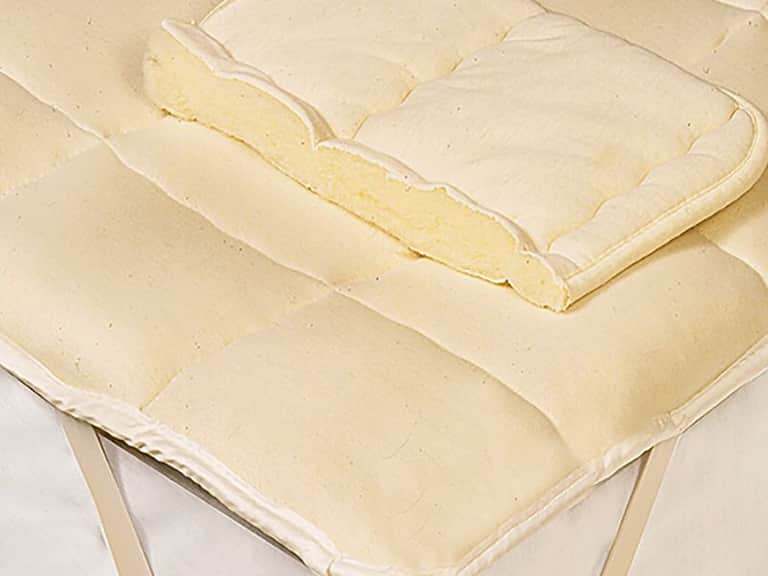
When reading a comforter description, begin by identifying the fill. A silk-filled comforter may contain silk fibers arranged in a broad, layered sheet or in another form intended to distribute insulation across the bed. The terminology and construction can vary by maker. Look for clear information about what the fill contains, whether it is blended with other fibers, and how the manufacturer describes its weight or warmth.
Next, check the shell. Cotton is a common choice because it is familiar, washable in some constructions, and often comfortable against the skin. The weave and finish matter as much as the fiber name: a smooth cotton sateen can feel different from a crisp percale. A silk shell, when used, is another distinct feature and should not be mistaken for silk fill. If you are sensitive to texture or heat, the shell deserves as much attention as the interior.
Construction helps keep the fill in place and influences how consistently the comforter covers the body. Look for details about stitching, quilting, or internal compartments. These features may reduce shifting, though design approaches differ. A comforter that bunches or leaves thin areas can feel uneven, regardless of the quality of its material. Dimensions matter as well: a layer that barely covers the mattress may leave shoulders exposed, while a larger size can provide more coverage for people who share a bed.
Product specifications sometimes include fill weight, dimensions, and recommended season. These details are useful for comparison, but they are not a universal warmth scale. A fill weight measured in ounces, for instance, cannot by itself tell you exactly how warm a comforter will feel without knowing its size, construction, and shell. Compare like with like, and use the maker’s care and warmth guidance as part of the decision.
Silk compared with other comforter materials
There is no single best comforter material. Each fill offers a different combination of weight, loft, warmth, moisture handling, price, and care. A comparison is most useful when it reflects what matters to you: a cooler-feeling bed, stronger insulation, simple laundering, natural fibers, or a particular tactile quality.
| Fill type | Common feel | Points to consider |
|---|---|---|
| Silk | Light, supple drape with moderate warmth | Care instructions vary; may suit people who prefer less bulk |
| Down | Lofty, airy, and often highly insulating for its weight | Warmth depends on fill and construction; check care and sourcing details |
| Down alternative | Can range from soft and lofty to more structured | Often selected for ease of care or to avoid animal-derived down; performance varies by fiber and design |
| Wool | Substantial, with a naturally resilient feel | Can manage moisture well; some products require specialist cleaning |
| Cotton or linen blends | Varies from airy and light to more insulating | Fiber blends, fill quantity, and shell construction influence warmth and care |
Down is often valued for loft and warmth relative to weight. A well-constructed down comforter may feel lofty and insulating, while silk often offers a flatter, more fluid profile. Down alternatives can imitate some of that loft using synthetic fibers, and may appeal to people seeking an option without natural down or a product that is easier to launder. Actual care depends on the individual item, so neither “natural” nor “synthetic” guarantees a particular cleaning method.
Wool is another natural option, often chosen for its resilience and moisture-handling qualities. A wool-filled mattress pad, for example, is a separate bedding layer that sits beneath the sleeper rather than covering the body like a comforter. That distinction matters: mattress pads can affect the bed’s overall feel and temperature, but they do not replace a comforter’s role as a top layer.
Cotton and linen fills, or blends that include these fibers, may be designed for a cooler or more breathable feel. Yet the words “cotton” and “linen” alone do not specify how warm a comforter will be. Fiber proportions, fill quantity, shell, and quilting still matter. Read the full description and consider how the item is intended to be used.
Choosing warmth for your room and routine
Start with the conditions where you sleep. Consider typical overnight temperatures, whether your bedroom has reliable heating or cooling, and whether you tend to wake up too warm or too cold. Shared beds add another variable: two people can have different temperature preferences, and a single comforter must accommodate both. In that situation, separate lightweight layers can offer more flexibility than relying on one unusually warm or heavy cover.
Think about seasonal transitions as well. In a consistently mild home, a moderate, lightweight comforter may work for much of the year. In a place with cold winters, a silk layer may be comfortable in spring and autumn but require an additional blanket during the coldest weeks. Layering gives you options: a sheet, a silk comforter, and a removable blanket can be adjusted as temperatures change. The best combination is the one you can adapt without making the bed uncomfortable or difficult to manage.
Pay attention to how you sleep under covers. Some people like a light, close-fitting drape; others move around and prefer a comforter with more loft that retains its shape. If you are replacing a comforter, note what worked and what did not about the old one. Was it too heavy, too warm, too flat, noisy, hard to clean, or too small? Specific observations make comparisons more useful than broad claims about luxury or natural materials.
Also check mattress and bed dimensions. Comforter sizes are not perfectly standardized across all makers. Compare the listed finished dimensions with your mattress width and height, and allow for the amount of side coverage you prefer. If you share bedding, generous coverage can help reduce tugging, though a larger size may also add weight and require more room in the washer or storage space.
Care: protect the fill and the fabric
Care requirements can determine whether a comforter suits everyday life. Some silk-filled comforters are labeled for dry cleaning, while care instructions for other products may differ. Follow the specific label or manufacturer’s guidance rather than relying on a general rule about silk. Washing a comforter in a way its construction cannot tolerate may cause uneven fill, damage to the shell, or a change in drape.
Before purchase, check whether the comforter can be machine washed, whether professional cleaning is recommended, and how it should be dried or stored. Consider the practical cost and availability of that care. A piece that feels appealing in a showroom may be less convenient if its maintenance requirements do not fit your household routine. If a washable option is important, confirm that the entire comforter—not just a removable cover—can be cleaned in the manner you expect.
A duvet cover can help reduce direct contact with skin, dust, and everyday spills, and it is generally easier to launder than a full comforter. The cover does not eliminate the need to follow the comforter’s own care instructions, but it can serve as a protective outer layer. Make sure the cover’s dimensions suit the insert and that its fabric feels comfortable in your sleep environment.
When airing or storing bedding, follow the maker’s directions. Keep comforters clean and fully dry before putting them away, and avoid compressing them for long periods unless the manufacturer permits it. A breathable storage bag may be more suitable than a sealed plastic container for some bedding, but the care label should take priority. These small habits can help preserve the shape and condition of a carefully chosen layer.
Comfort, allergies, and material preferences
People sometimes look to silk because they want a natural fiber or a bedding layer that feels light and breathable. Those preferences are reasonable, but a material label is not a medical guarantee. Individual sensitivities can involve the fill, shell, finishes, dust, cleaning products, or other elements in a bedroom. If you have a diagnosed allergy or a persistent sleep-related health concern, consult an appropriate health professional and review the full product details rather than assuming one fiber will resolve it.
Ask what the comforter contains and whether any treatments, blended fibers, or finishes are specified. A “silk comforter” may refer to the principal fill, not necessarily to every component. The shell, stitching, labels, and finishing materials all form part of the finished product. Clear specifications help you make a choice consistent with your own sensitivities and preferences.
Material preference can also reflect values around sourcing and care. If animal-derived fibers are part of your decision, look for information from the manufacturer about sourcing and production. If you prefer plant-based or synthetic alternatives, compare the material and construction carefully rather than assuming every alternative will feel the same. Performance and impact can depend on the complete product and how long it remains useful.
A practical checklist before you choose
Product descriptions can be dense with terms that sound precise but answer different questions. Use a simple checklist to separate the essentials from the styling details:
- Fill: Is the comforter filled with silk alone or a blend? Is the material clearly identified?
- Warmth: Does the maker describe it as lightweight, year-round, or intended for a particular season?
- Shell: What fabric surrounds the fill, and does its feel suit your preferences?
- Construction: How is the fill kept in place, and does the design appear suited to even coverage?
- Dimensions: Will it provide enough coverage for your mattress and sleeping arrangement?
- Care: Is professional cleaning required, or can the comforter be washed at home?
- Room climate: Will the layer suit your normal overnight temperatures, or will you need an extra blanket?
- Return and warranty terms: Can you assess the comforter at home, and what protections apply if construction fails?
Use these answers to compare silk with other comforter materials on equal terms. A higher thread count, a natural fill, or an elaborate description does not automatically establish that a comforter will be warmer, cooler, or more durable. The construction and care guidance are practical evidence; your own room and sleep habits supply the context.
Is a silk comforter right for you?
A silk comforter may be worth considering if you want a light drape, dislike bulky layers, and are looking for a comforter that provides moderate warmth while allowing moisture to move away from the body. Its appeal lies less in dramatic loft than in a soft, fluid feel and a balance that can work well in mild conditions or as part of a flexible bedding system.
It may be less suitable if you want a very lofty comforter, need substantial insulation in a cold bedroom, or require a bedding item that can be tossed into a household washing machine without special precautions. In those cases, compare construction, warmth guidance, and care instructions across down, down-alternative, wool, and other options. A silk layer can also be paired with other bedding, but layering should be guided by the temperatures you actually experience rather than by a calendar alone.
Ultimately, comfort is a meeting point between material and environment. The fiber matters, but so do the air in the room, the fabric against the skin, the height of the mattress, and the way a sleeper responds to warmth. A thoughtful choice begins with those conditions. When the fill, shell, and care routine match the life of the bed, a light comforter can provide an easy, adaptable layer across changing nights.